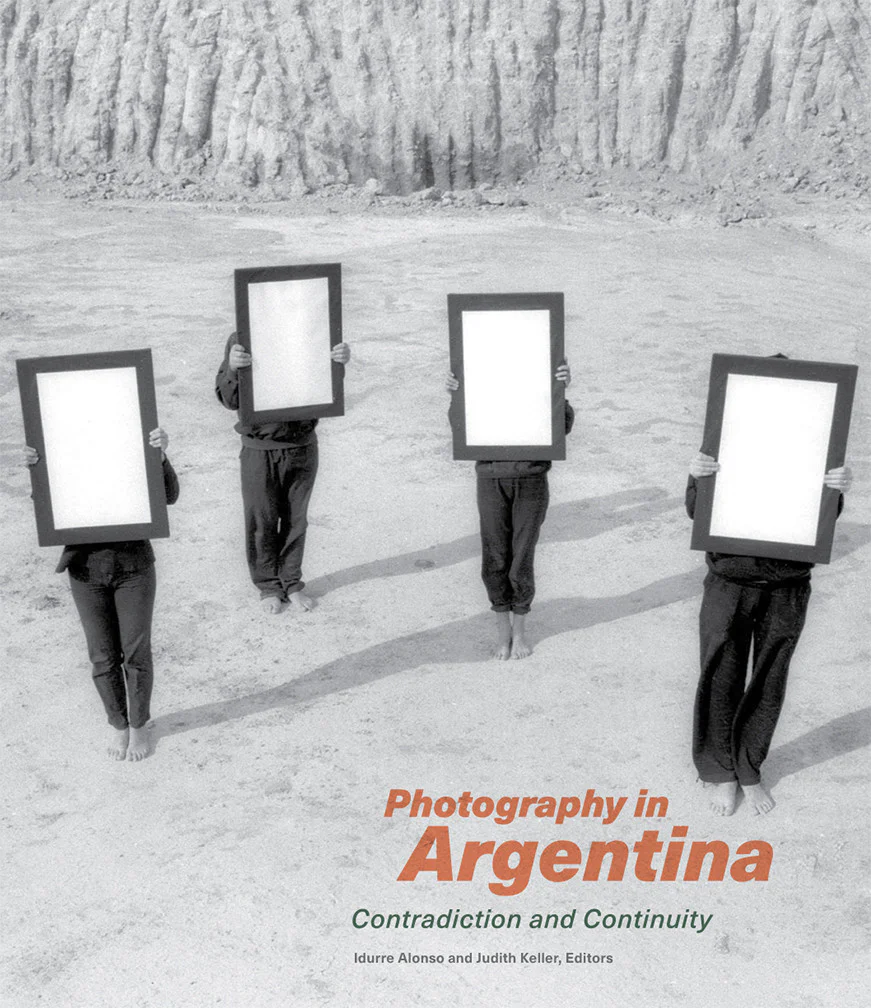
Photography in Argentina: Contradiction and Continuity
Edited by Idurre Alonso and Judith Keller
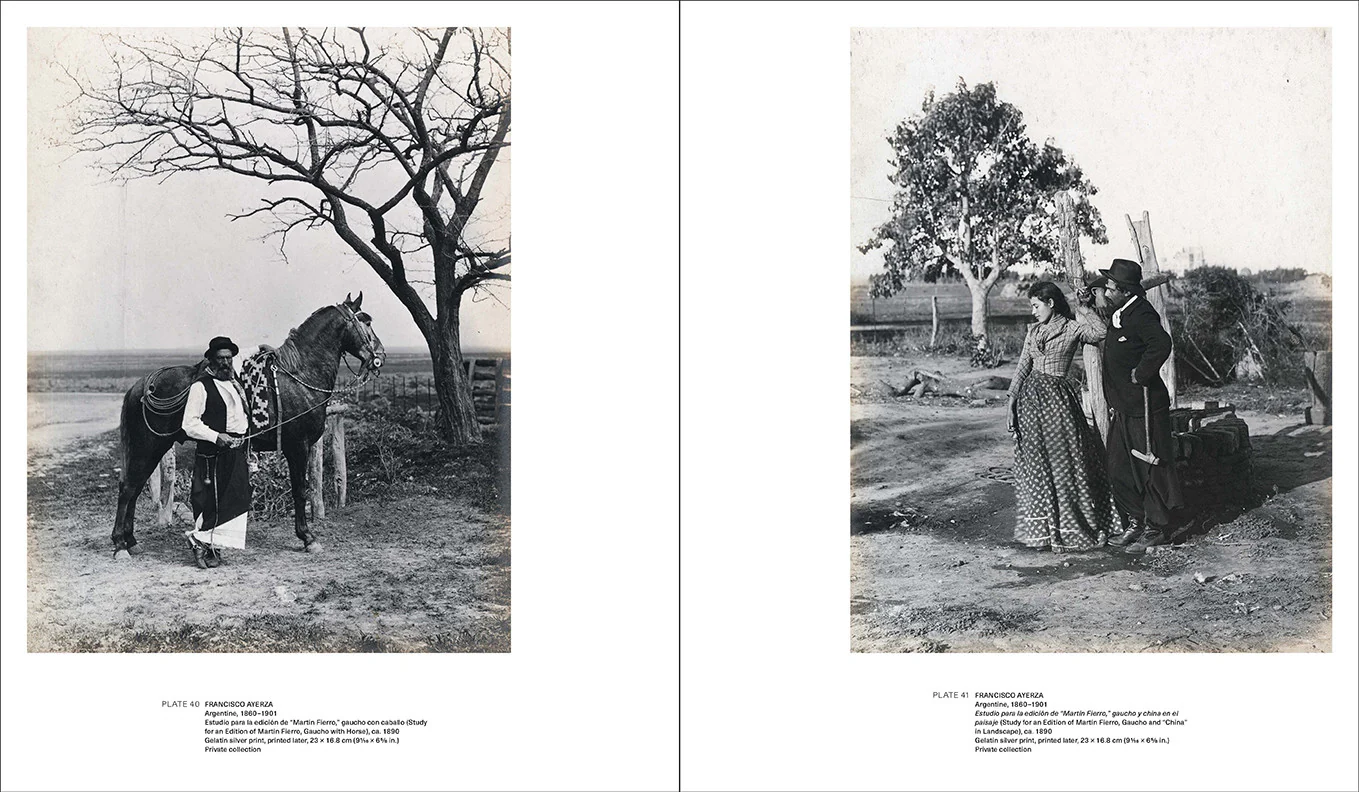
From its independence in 1810 until the economic crisis of 2001, Argentina has been seen, in the national and international collective imaginary, as a modern country with a powerful economic system, a massive European immigrant population, an especially strong middle class, and an almost nonexistent indigenous culture. In some ways, the early history of Argentina strongly resembles that of the United States, with its march to the prairies and frontier ideology, the image of the cowboy as a national symbol (equivalent to the Argentine gaucho), the importance of the immigrant population, and the advanced and liberal ideas of the founding fathers. But did Argentine history truly follow a linear path toward modernization? How did photography help shape or deconstruct notions associated with Argentina?
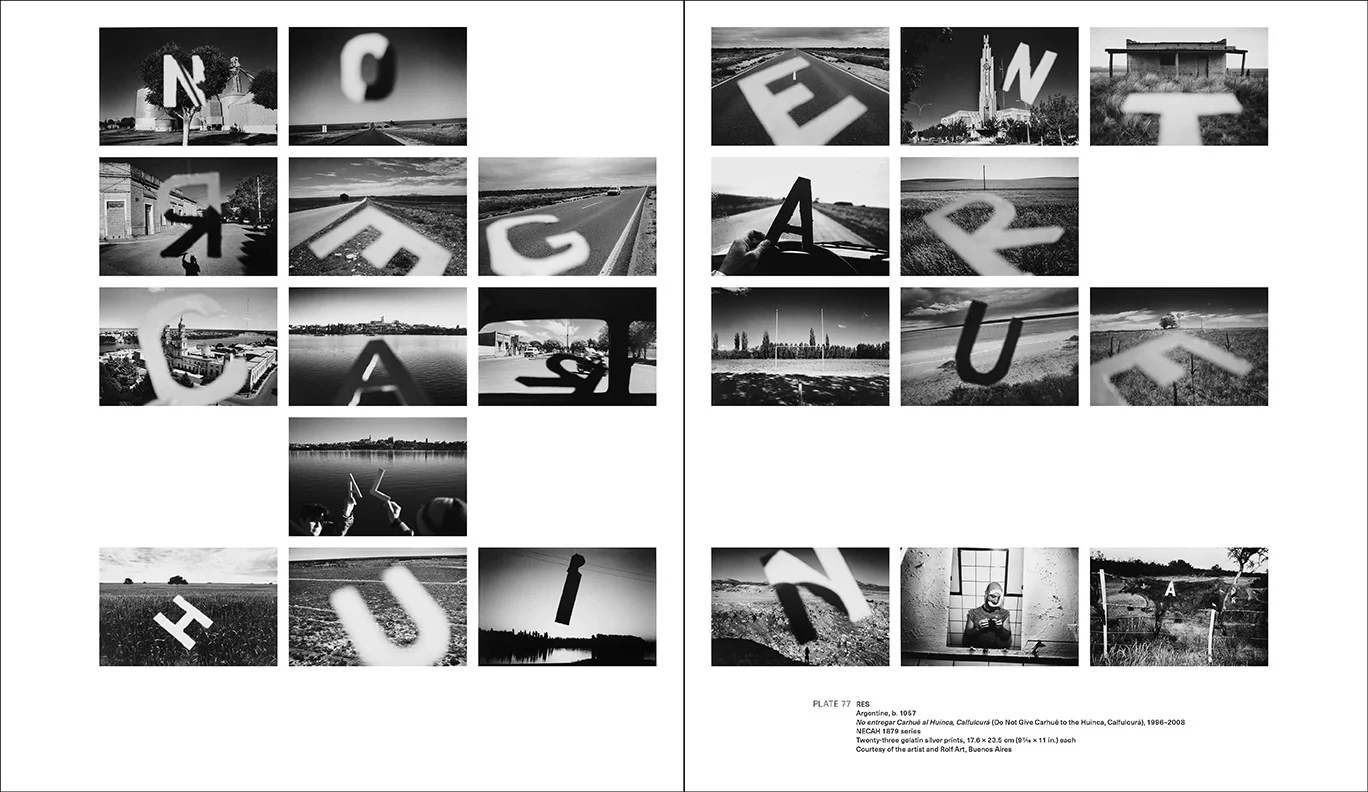
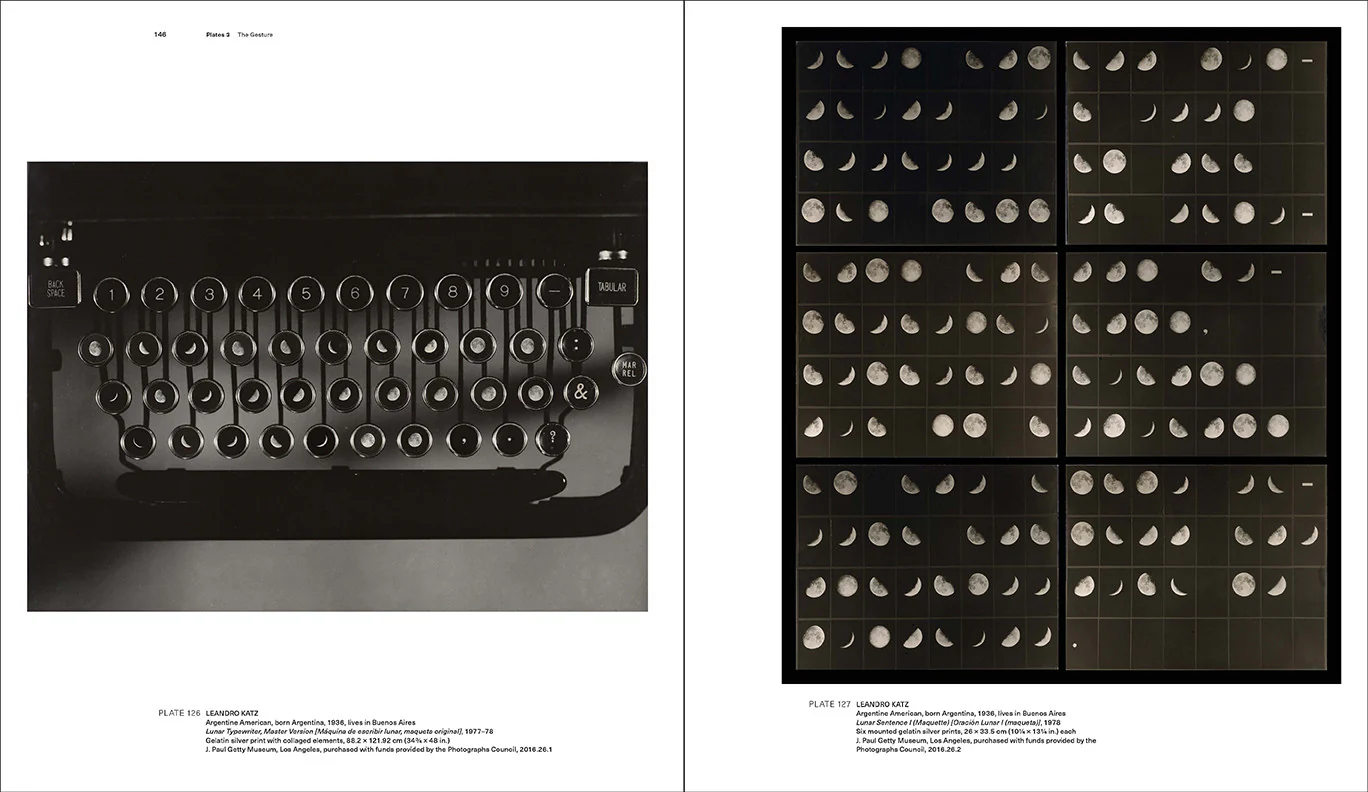
Photography in Argentina examines the complexities of this country’s history, stressing the heterogeneity of its realities, and especially the power of constructed photographic images—that is, the practice of altering reality for artistic expression, an important vein in Argentine photography.
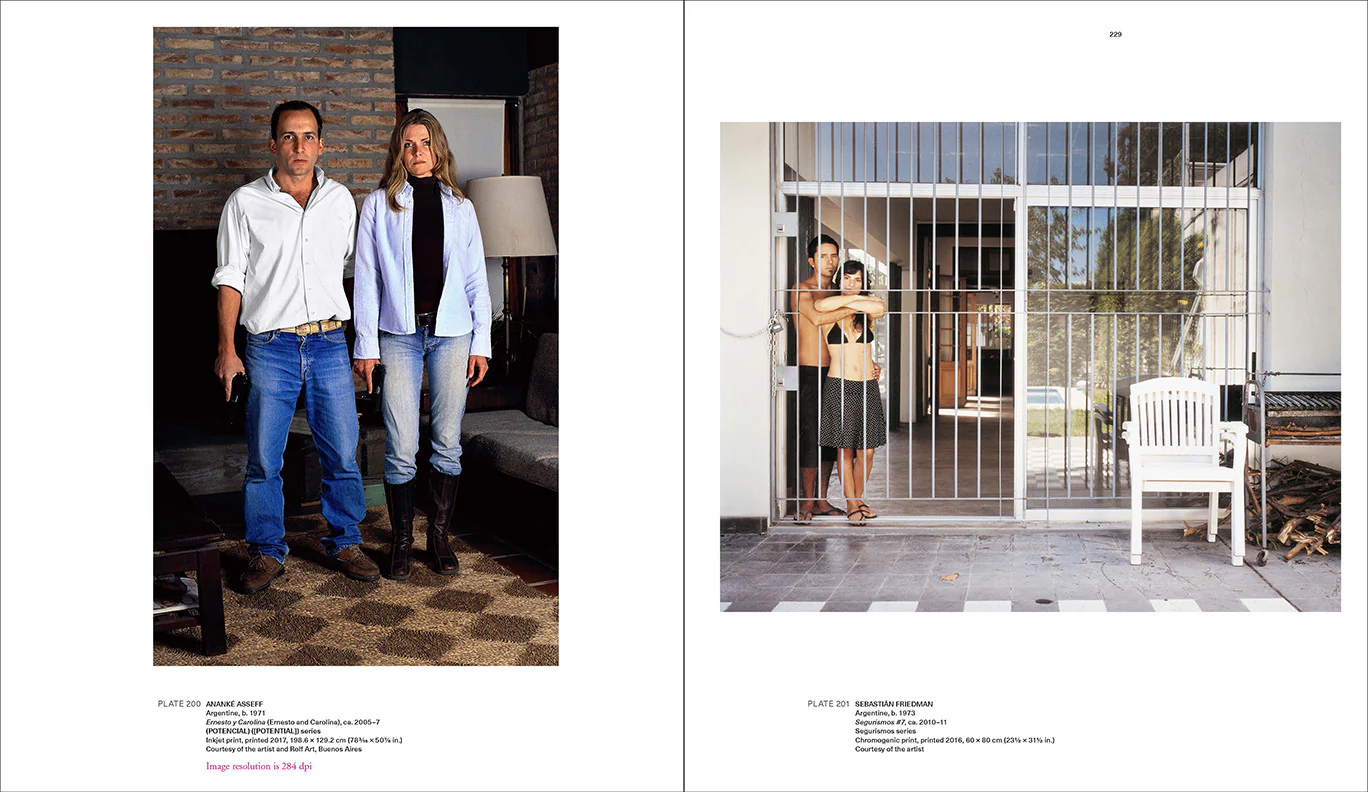
Influential specialists from Argentina have contributed essays on various topics, such as the shaping of national myths, the adaptation of gesture as related to the “disappeared” during the dictatorship period, the role of contemporary photography in the context of recent sociopolitical events, and the reinterpreting of traditional notions of documentary photography in Argentina and the rest of Latin America.
This volume was published to accompany an exhibition on view at the J. Paul Getty Museum at the Getty Center September 16, 2017 through January 28, 2018. Photography in Argentina is part of Pacific Standard Time: LA/LA.
Idurre Alonso is associate curator of Latin American Collections at the Getty Research Institute. Judith Keller is former senior curator in the Department of Photographs at the J. Paul Getty Museum. Among her many publications are Walker Evans Cuba (Getty Publications, 2001), Graciela Iturbide: Juchitán (Getty Publications, 2007), and Japan’s Modern Divide: The Photographs of Hiroshi Hamaya and Kansuke Yamamoto (Getty Publications, 2013).
“Documenting life in Argentina from the birth of photography to the early 21st century, the book includes a useful chronology that aligns historical events, culture/art, and photography from the mid-19th century to 2010.
—Choice
344 pages
9 1/2 x 11 inches
130 color and 125 b/w illustrations
ISBN 978-1-60606-532-7
hardcover
Getty Publications
Imprint: J. Paul Getty Museum
2017
Original: $55.00
-65%$55.00
$19.25More Images
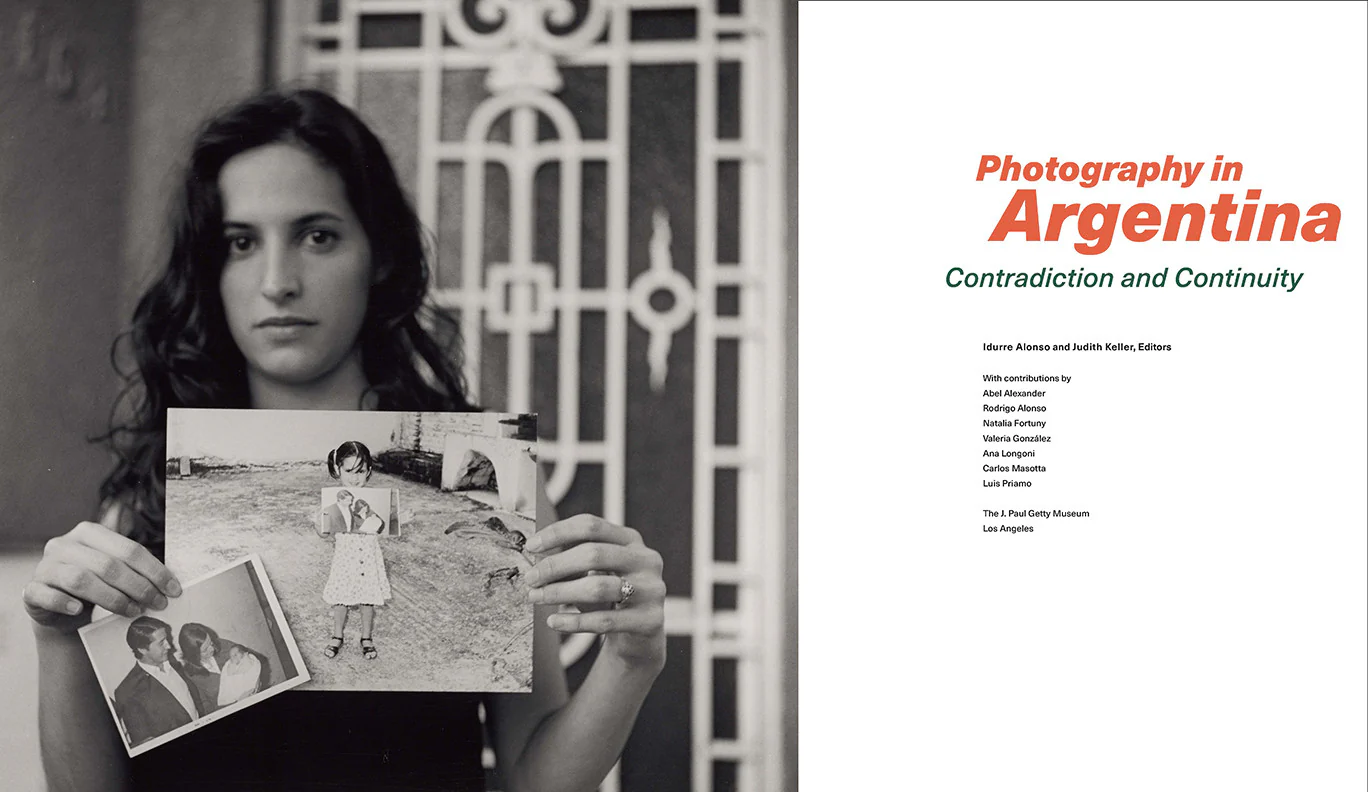
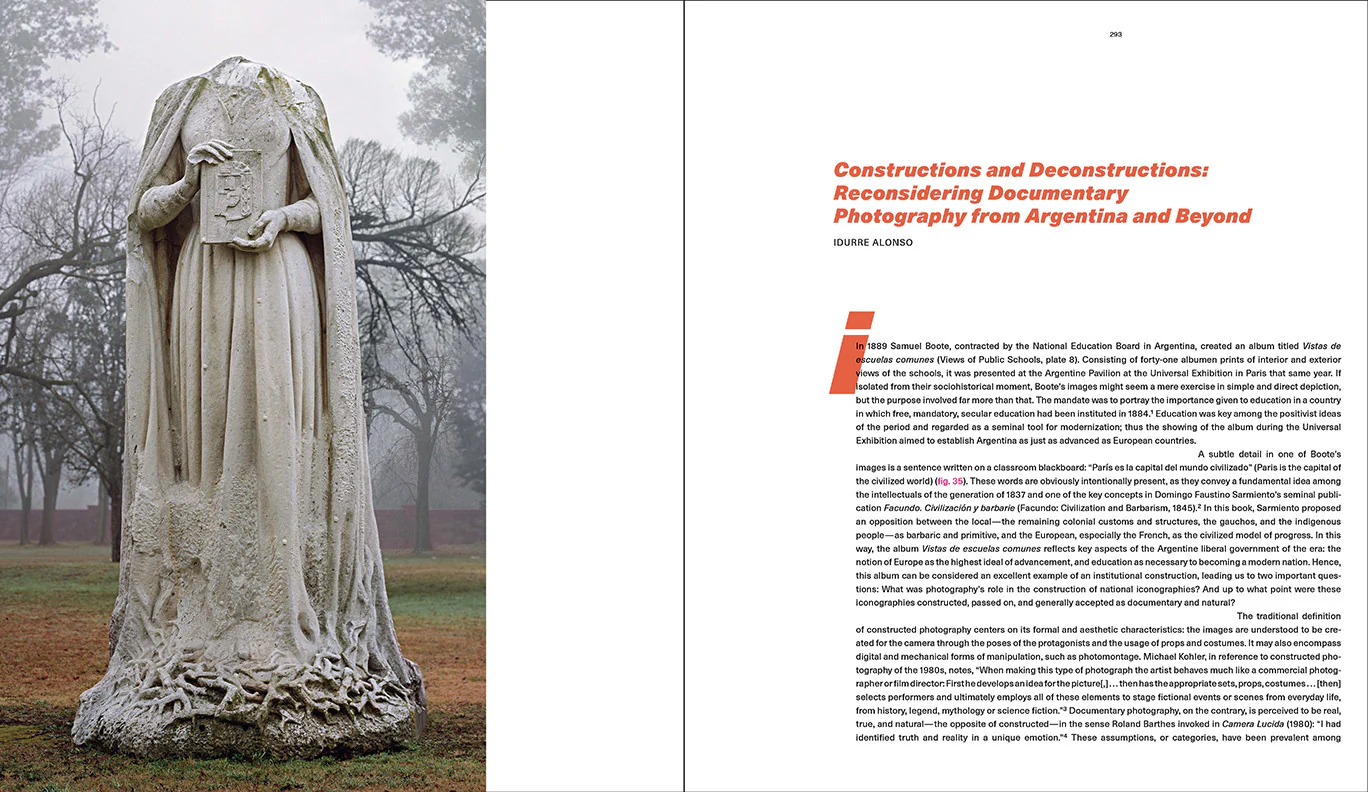
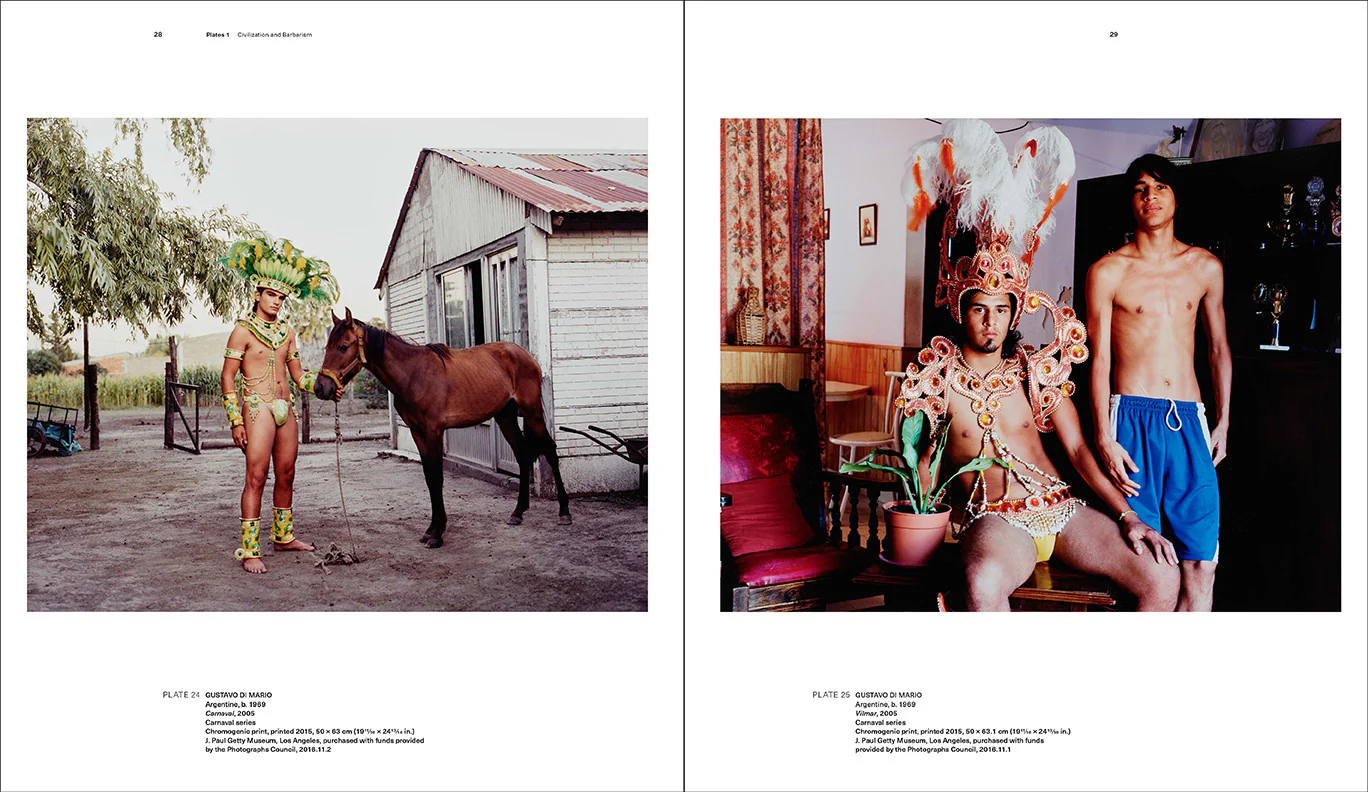
Photography in Argentina: Contradiction and Continuity
Edited by Idurre Alonso and Judith Keller
From its independence in 1810 until the economic crisis of 2001, Argentina has been seen, in the national and international collective imaginary, as a modern country with a powerful economic system, a massive European immigrant population, an especially strong middle class, and an almost nonexistent indigenous culture. In some ways, the early history of Argentina strongly resembles that of the United States, with its march to the prairies and frontier ideology, the image of the cowboy as a national symbol (equivalent to the Argentine gaucho), the importance of the immigrant population, and the advanced and liberal ideas of the founding fathers. But did Argentine history truly follow a linear path toward modernization? How did photography help shape or deconstruct notions associated with Argentina?
Photography in Argentina examines the complexities of this country’s history, stressing the heterogeneity of its realities, and especially the power of constructed photographic images—that is, the practice of altering reality for artistic expression, an important vein in Argentine photography.
Influential specialists from Argentina have contributed essays on various topics, such as the shaping of national myths, the adaptation of gesture as related to the “disappeared” during the dictatorship period, the role of contemporary photography in the context of recent sociopolitical events, and the reinterpreting of traditional notions of documentary photography in Argentina and the rest of Latin America.
This volume was published to accompany an exhibition on view at the J. Paul Getty Museum at the Getty Center September 16, 2017 through January 28, 2018. Photography in Argentina is part of Pacific Standard Time: LA/LA.
Idurre Alonso is associate curator of Latin American Collections at the Getty Research Institute. Judith Keller is former senior curator in the Department of Photographs at the J. Paul Getty Museum. Among her many publications are Walker Evans Cuba (Getty Publications, 2001), Graciela Iturbide: Juchitán (Getty Publications, 2007), and Japan’s Modern Divide: The Photographs of Hiroshi Hamaya and Kansuke Yamamoto (Getty Publications, 2013).
“Documenting life in Argentina from the birth of photography to the early 21st century, the book includes a useful chronology that aligns historical events, culture/art, and photography from the mid-19th century to 2010.
—Choice
344 pages
9 1/2 x 11 inches
130 color and 125 b/w illustrations
ISBN 978-1-60606-532-7
hardcover
Getty Publications
Imprint: J. Paul Getty Museum
2017
Product Information
Product Information
Shipping & Returns
Shipping & Returns
Description
Edited by Idurre Alonso and Judith Keller
From its independence in 1810 until the economic crisis of 2001, Argentina has been seen, in the national and international collective imaginary, as a modern country with a powerful economic system, a massive European immigrant population, an especially strong middle class, and an almost nonexistent indigenous culture. In some ways, the early history of Argentina strongly resembles that of the United States, with its march to the prairies and frontier ideology, the image of the cowboy as a national symbol (equivalent to the Argentine gaucho), the importance of the immigrant population, and the advanced and liberal ideas of the founding fathers. But did Argentine history truly follow a linear path toward modernization? How did photography help shape or deconstruct notions associated with Argentina?
Photography in Argentina examines the complexities of this country’s history, stressing the heterogeneity of its realities, and especially the power of constructed photographic images—that is, the practice of altering reality for artistic expression, an important vein in Argentine photography.
Influential specialists from Argentina have contributed essays on various topics, such as the shaping of national myths, the adaptation of gesture as related to the “disappeared” during the dictatorship period, the role of contemporary photography in the context of recent sociopolitical events, and the reinterpreting of traditional notions of documentary photography in Argentina and the rest of Latin America.
This volume was published to accompany an exhibition on view at the J. Paul Getty Museum at the Getty Center September 16, 2017 through January 28, 2018. Photography in Argentina is part of Pacific Standard Time: LA/LA.
Idurre Alonso is associate curator of Latin American Collections at the Getty Research Institute. Judith Keller is former senior curator in the Department of Photographs at the J. Paul Getty Museum. Among her many publications are Walker Evans Cuba (Getty Publications, 2001), Graciela Iturbide: Juchitán (Getty Publications, 2007), and Japan’s Modern Divide: The Photographs of Hiroshi Hamaya and Kansuke Yamamoto (Getty Publications, 2013).
“Documenting life in Argentina from the birth of photography to the early 21st century, the book includes a useful chronology that aligns historical events, culture/art, and photography from the mid-19th century to 2010.
—Choice
344 pages
9 1/2 x 11 inches
130 color and 125 b/w illustrations
ISBN 978-1-60606-532-7
hardcover
Getty Publications
Imprint: J. Paul Getty Museum
2017